Polyurethane sealant · a Volka Kimya brand
It moves. It holds.
Vickers PU sealant brings lasting elasticity, strong adhesion and a paintable finish to construction, glazing and automotive joints.
- One-component
- Moisture-curing
- Paintable
The joint moves. So does Vickers.
In the cold, concrete contracts and the joint opens. In the heat it expands and the joint closes. A correctly applied PU sealant takes that movement in every season without tearing.
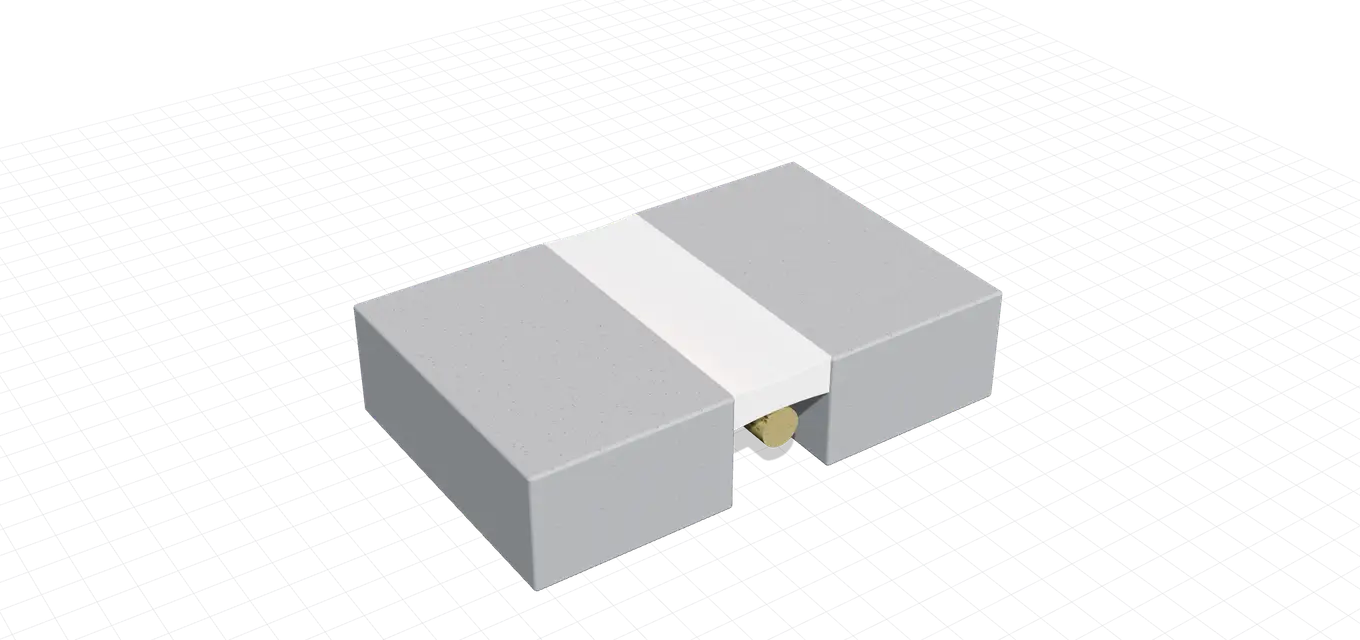
- Concrete
- Backer rod
- Sealant
- Movement
±0%Joint movement
- Joint width
- 20.0 mm
- Limit (example)
- ±25%
- Leaks
- 0 drops
Watertight · elastic
Illustrative model. The movement limits are example values: ±25% for Vickers PU, ±10% for acrylic filler. The product’s movement capability is stated in its technical data sheet.
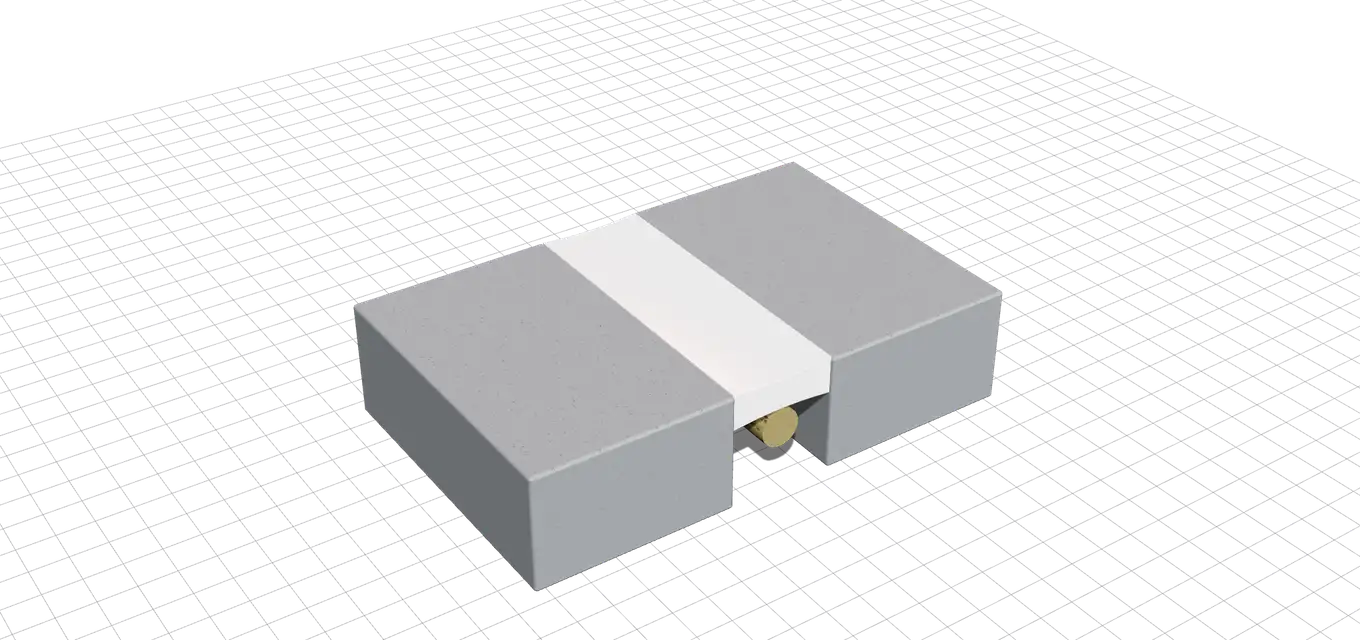
The scene shows a joint between two concrete blocks in section: a foam backer rod at the bottom and Vickers PU sealant above it. As the temperature falls the concrete contracts and the joint opens; as it rises the joint closes. The gauge compares the joint movement with an example limit. Past the limit the sealant tears and the joint lets water in. The temperature slider and the sealant buttons give the same result as text.
Vickers on a body seam.
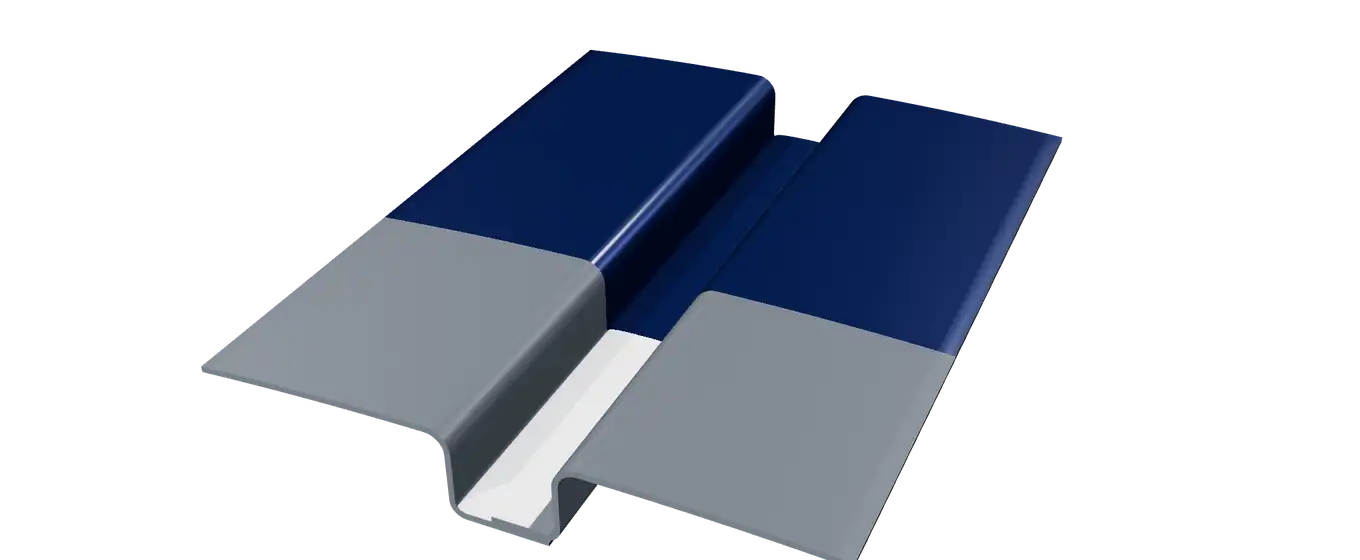
Where two panels meet, the seam is sealed before paint. Vickers goes on as a bead, is tooled flat with a spatula and is painted once it has cured.
- Panel
The panel seats on the flange. The joint line should be clean and dry.
- Bead
Vickers goes along the joint line in one continuous bead.
- Tooling
Before it skins over, a spatula draws the bead into a flat band.
- Paint
Once the sealant has cured, the surface is painted.
- On the road
On the road the joint works with vibration, speed bumps and body twist. Vickers follows that movement by stretching and recovers.
Illustrative model. Movement is exaggerated so it can be seen. Limits are examples: ±25% for Vickers PU, ±5% for a rigid filler. The product's movement capability is given in its technical data sheet. Paint goes on once the sealant has fully cured.
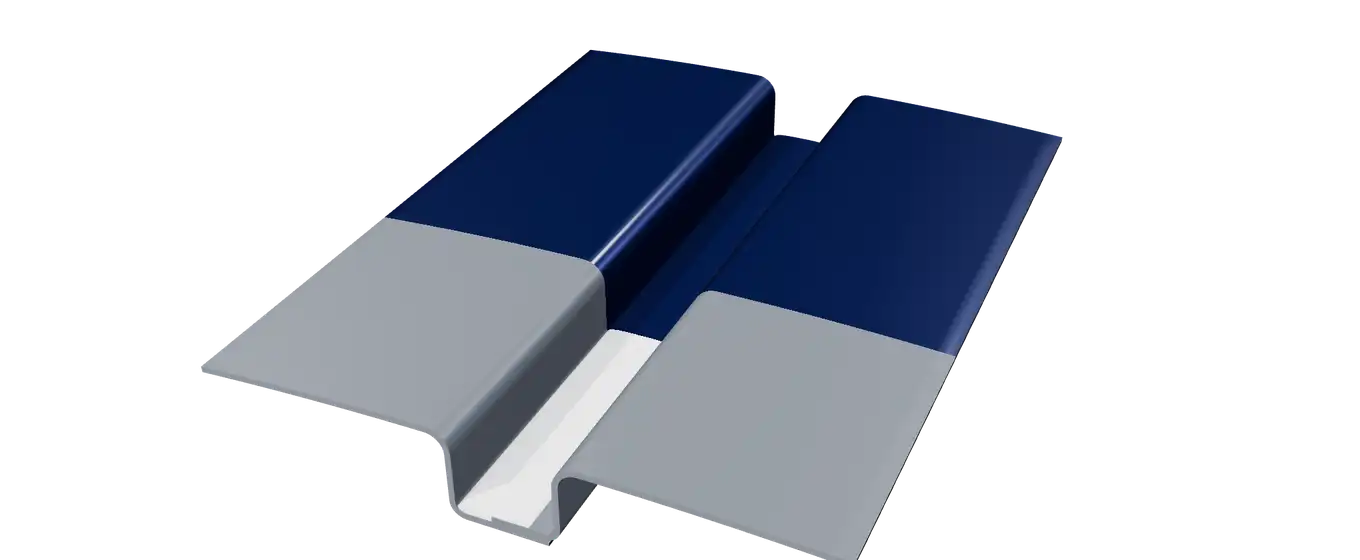
The scene shows the seam between two car body panels in section. The right panel seats on the left one's flange, Vickers PU sealant goes along the joint line as a bead, a spatula draws it into a flat band and the paint goes on. Then the car takes to the road: on vibration, a speed bump and a pothole the panels shift against each other, the joint opens and closes, and the sealant stretches and recovers. At the end the road and the sealant can be chosen. A rigid filler cracks on the speed bump and the pothole, a hairline crack opens in the paint and moisture gets in. A dial compares the joint movement with an example limit.
Why Vickers PU?
-
Lasting elasticity
Once cured it stays flexible like rubber and takes up joint movement from thermal expansion and vibration without cracking.
-
Strong adhesion
With proper surface preparation it bonds firmly to concrete, metal, wood and many plastics.
-
Paintable
Once cured its surface can be painted to match the facade.
-
Built for outdoors
Keeps the joint watertight through rain, humidity and temperature swings. One product for construction and automotive.
Where is it used?
-
 Construction
Facade and precast joints
Expansion and movement joints between panels.
-
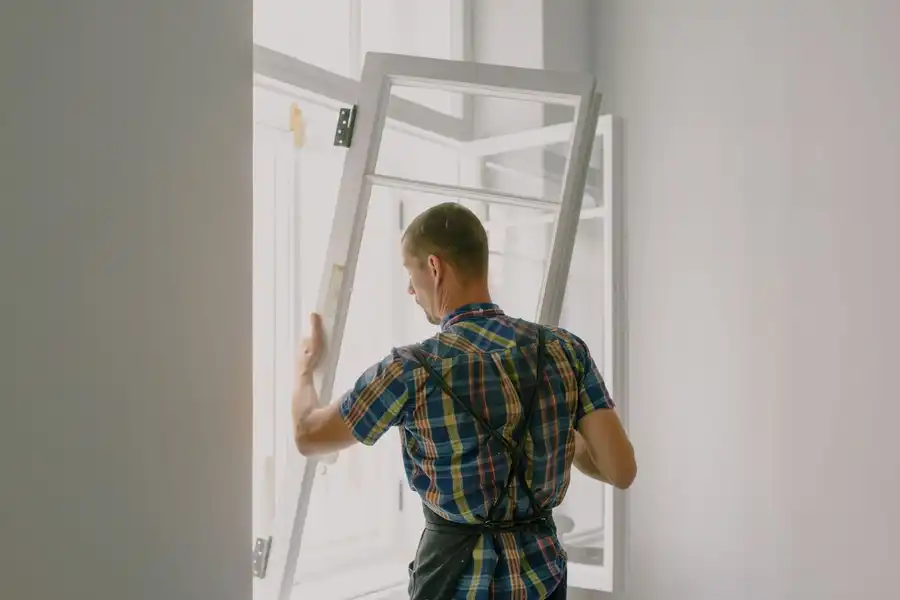 Glazing
Windows and doors
Joints between frame and wall.
-
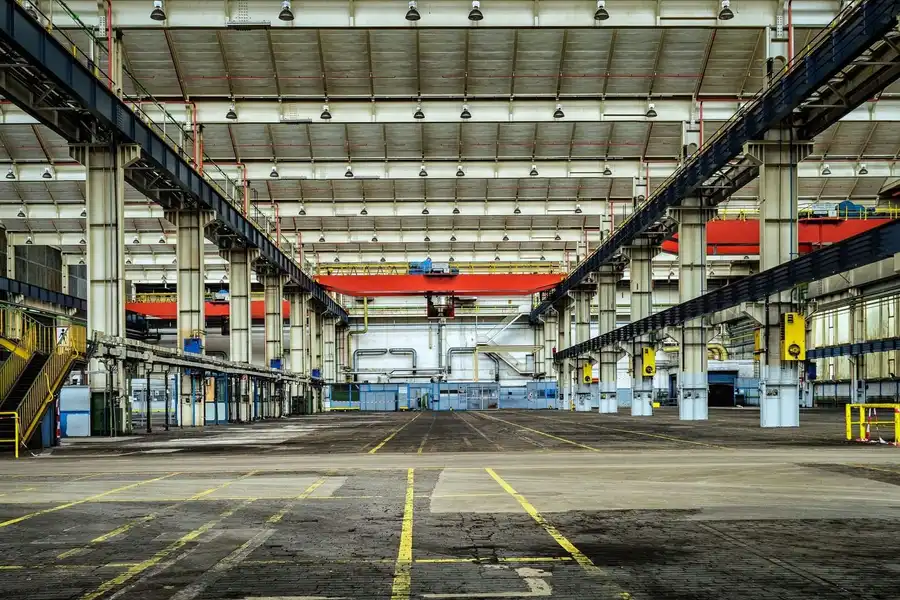 Industry
Floor joints
Warehouse, factory and car park floors.
-
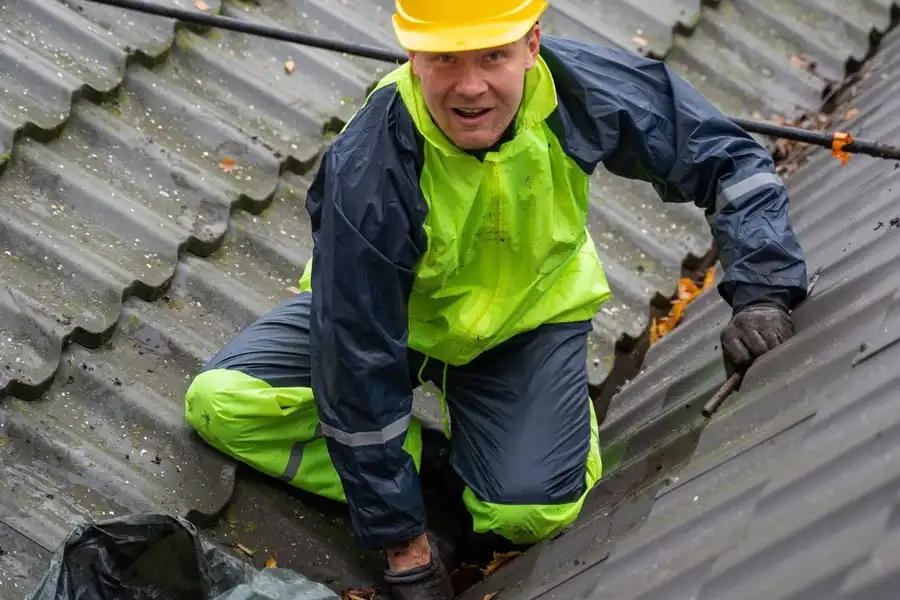 Construction
Roofs and metal joints
Gutters, chimneys and metal sheet joints.
-
 Automotive
Body joints
Body seams and joints under vibration.
Technical data
- Base
- PolyurethaneOne-component
- Curing
- MoistureReacts with air humidity
- Skin time
- … minUnder standard conditions
- Cure rate
- … mm / 24 hUnder standard conditions
- Hardness
- Shore A …After curing
- Movement capability
- ±…%Relative to joint width
- Service temperature
- … °CAfter curing
- Paintability
- YesTest a small area first
Values shown as "…" will be added from the product’s technical data sheet (TDS).
How to apply
-
Clean
Surfaces must be dry, dust-free and free of grease. Remove loose particles.
-
Back
Set the joint depth with a backer rod so the sealant cannot bond to three sides.
-
Apply
Load the cartridge into the gun and fill the joint continuously, without gaps.
-
Tool
Smooth the surface with a spatula before a skin forms, then remove the masking tape.
The right joint geometry
As a rule of thumb the joint depth should be about half its width (W:D about 2:1). The sealant should bond only to the two side faces, with a backer rod underneath. See the data sheet for exact dimensions.
Colours and packaging
Colours To be confirmed
- White
- Grey
- Black
Packaging To be confirmed
- CartridgeFor a standard sealant gun… ml
- Sausage packFor professional, high-volume work… ml
- CartonFor dealers and bulk orders… pcs
PU sealant or silicone?
The right sealant depends on the job. A general comparison:
| Property | PU sealant · Vickers | Silicone | Acrylic sealant |
|---|---|---|---|
| Paintability | Suitable: Paintable | Not suitable: Usually not paintable | Suitable: Paintable |
| Elasticity | Suitable: High | Suitable: High | Partly: Limited |
| Adhesion to concrete and metal | Suitable: Strong | Partly: Depends on the surface | Partly: Moderate |
| Abrasion and tear resistance | Suitable: High | Partly: Moderate | Not suitable: Low |
| Glass and wet rooms | Partly: Depends on the application | Suitable: Ideal | Not suitable: Not recommended |
Detailed guide: PU sealant or silicone? 5 criteria for the right choice
Documents
- Technical Data Sheet (TDS)Vickers PU sealantGo to documents
- Safety Data Sheet (SDS)Vickers PU sealantGo to documents
Become a Vickers dealer
Regional dealerships for builders’ merchants, hardware stores and paint dealers, in Türkiye and export markets.
- Regional dealership and bulk supply terms
- Supply from stock
- Technical support and product documents
Frequently asked
The questions we hear most about Vickers PU sealant.
Can PU sealant be painted?
Yes. Once fully cured its surface can be painted. Test paint compatibility on a small area first.
How long does PU sealant take to cure?
PU sealant cures with the humidity in the air; skin time and full cure depend on temperature, humidity and joint depth. The values are in the data sheet.
Why is a backer rod needed?
The rod sets the joint depth and keeps the sealant from bonding to the bottom. The sealant then bonds only to the two side faces and takes up movement freely.
Should I use PU sealant or silicone?
PU sealant stands out on joints that will be painted, on concrete and metal, and where the joint faces wear. On glass and in constantly wet areas silicone is the better fit. Read the detailed guide.
Where can I buy Vickers PU sealant?
You can request a quote directly from Volka Kimya. Request a quote.